

AI security newsletter
AI is reshaping both attack and defence: prompt injection, jailbreaks, agentic AI with risky permissions, models leaking sensitive data, EU regulation. Every day we cover what matters in AI security: real LLM and agent vulnerabilities, model releases that change threat models, prompt injection papers breaking production systems, and defensive tooling (guardrails, OWASP LLM Top 10, evaluations). No hype — just incidents, CVEs in AI infrastructure, and how the security team's job changes when Copilot, ChatGPT and agents are part of the SDLC. Free newsletter, one technical story per day.
Latest IA articles
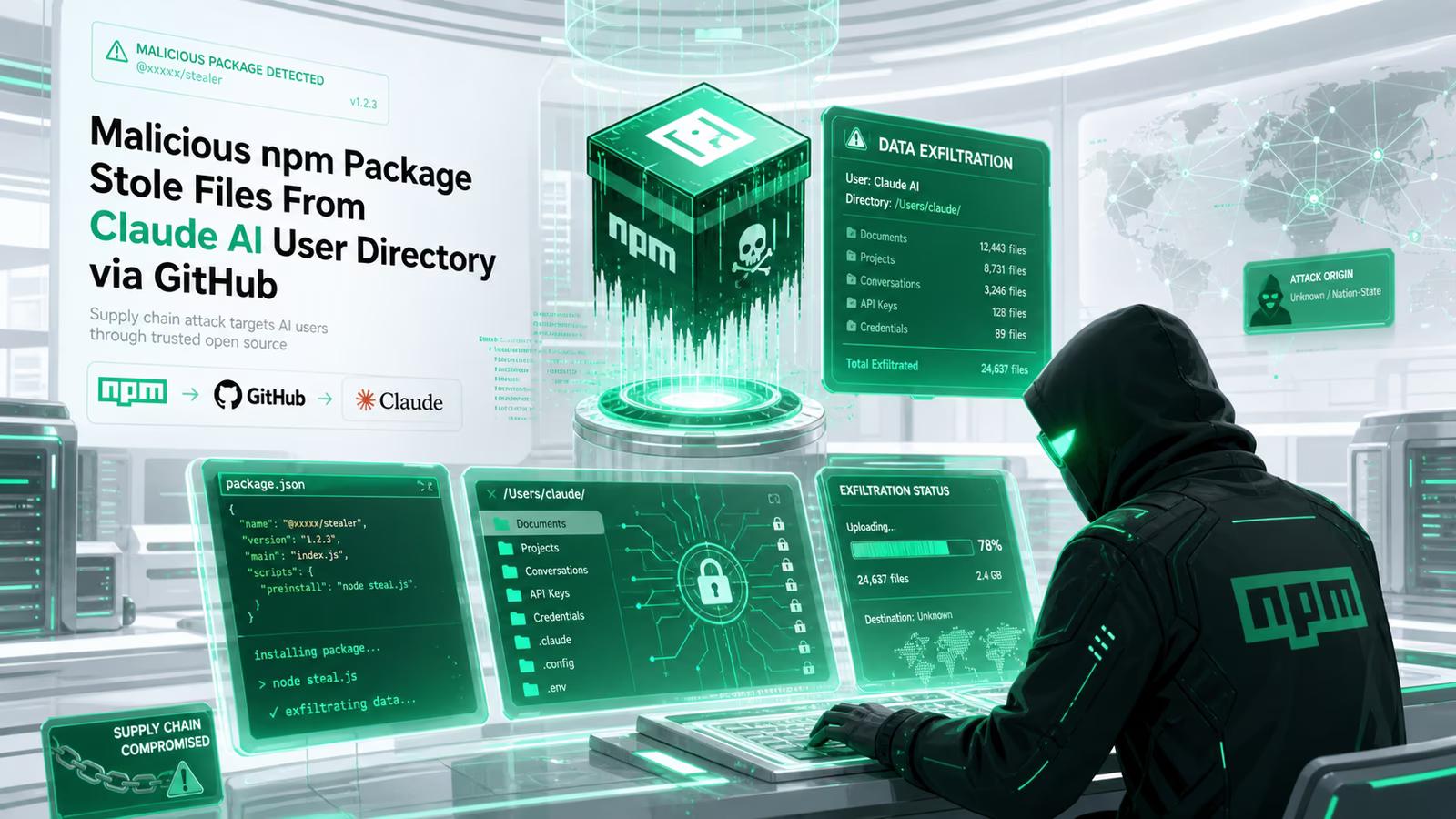
Malicious npm targets Claude AI user directory
npm package `mouse5212-super-formatter` exfiltrates files from Claude AI's user data directory to GitHub.
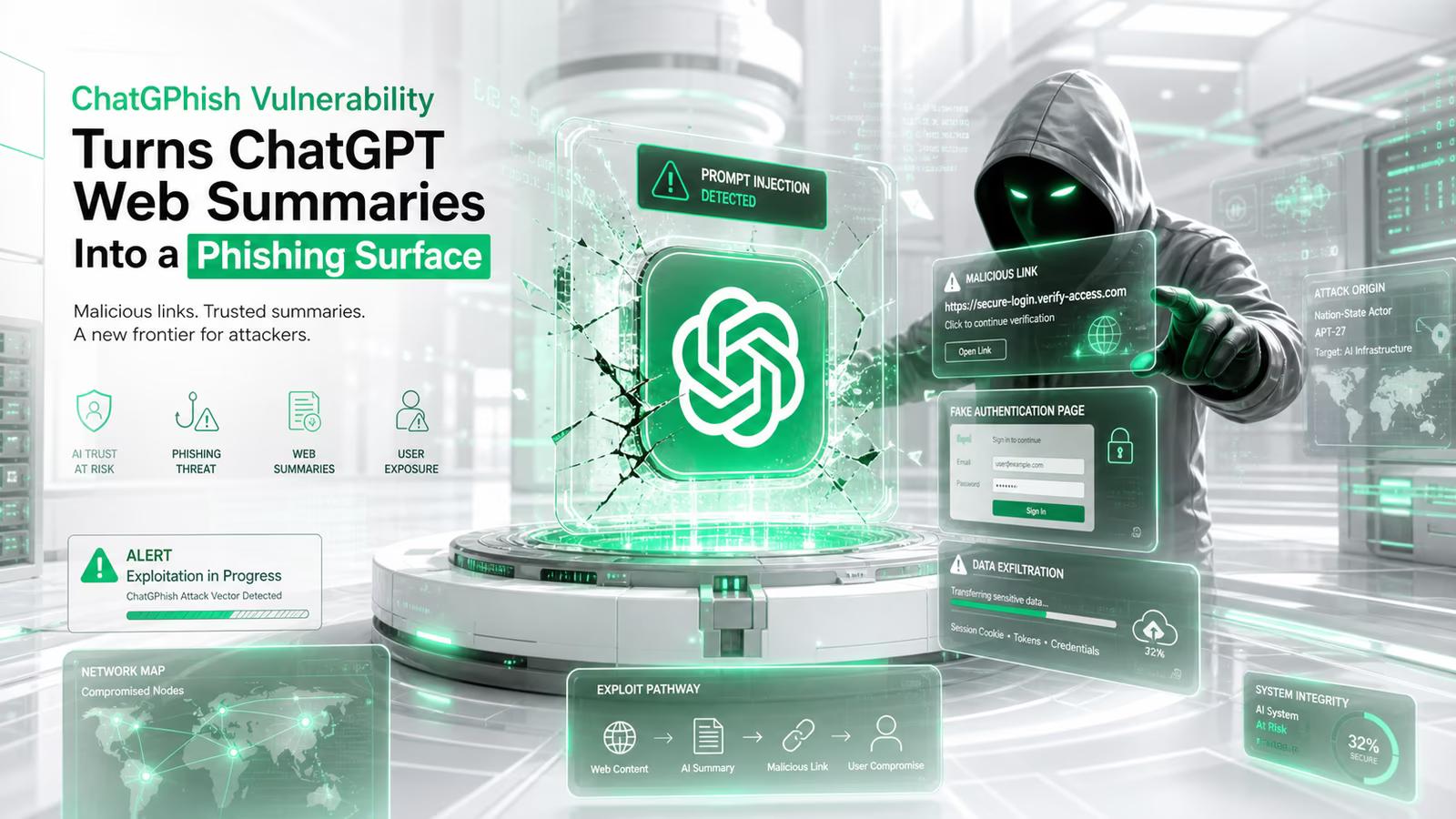
ChatGPhish: how ChatGPT web summaries become phishing lures
ChatGPT's web summary renderer trusts external Markdown, enabling indirect prompt injection attacks that deliver phishing links inside trusted AI responses.
Claude Mythos goes public: what the security delay means
Anthropic confirms Mythos-class Claude models will reach the public after a delay over software security risks.
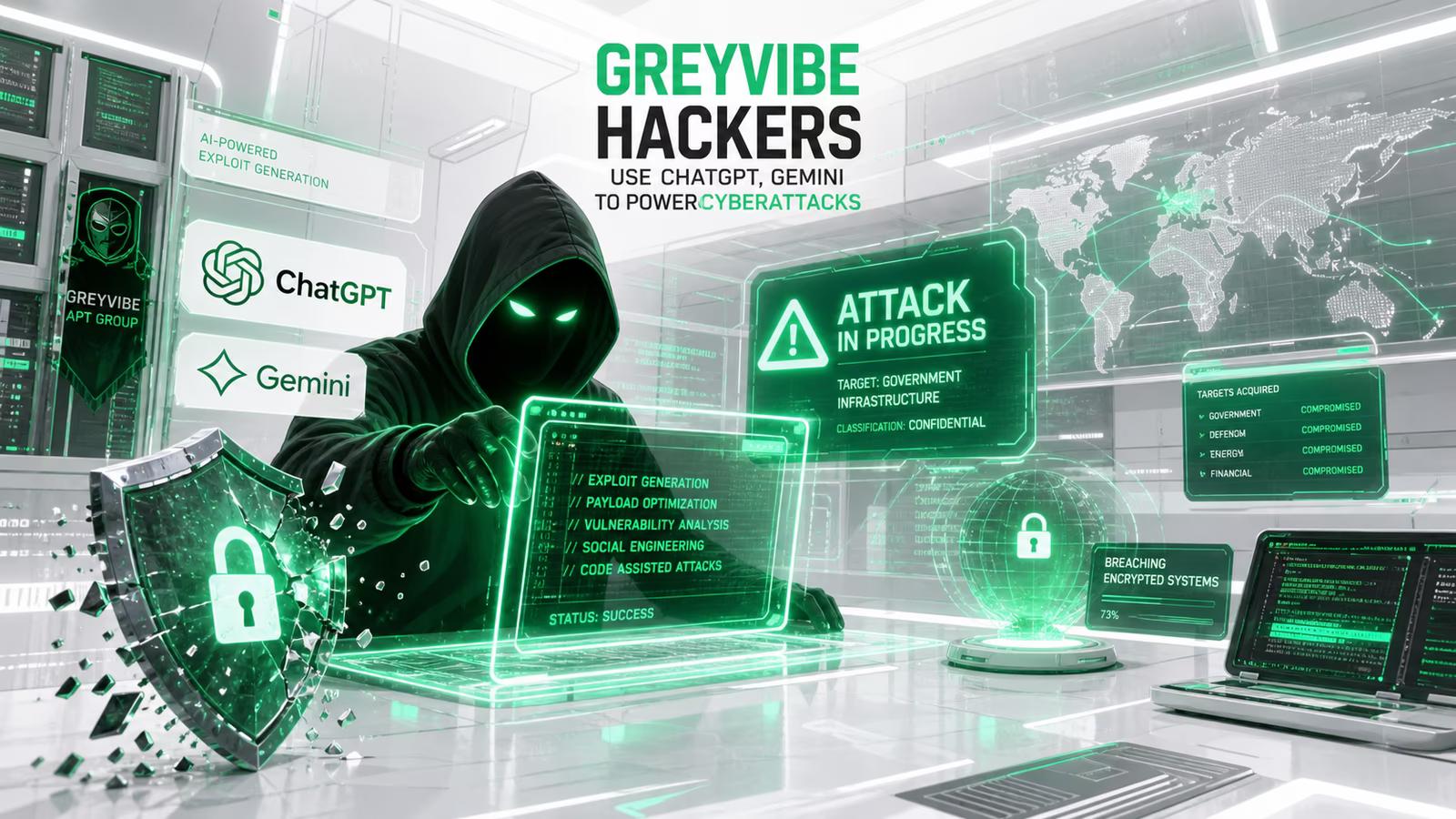
GreyVibe uses ChatGPT & Gemini to power cyberattacks
Russian-linked GreyVibe cluster weaponizes ChatGPT and Gemini to generate phishing lures targeting Ukrainian organizations.

ChatGPT share links abused to deliver malware
Threat actors are abusing ChatGPT share links to serve fake OpenAI outage pages that deliver malware disguised as the desktop app.
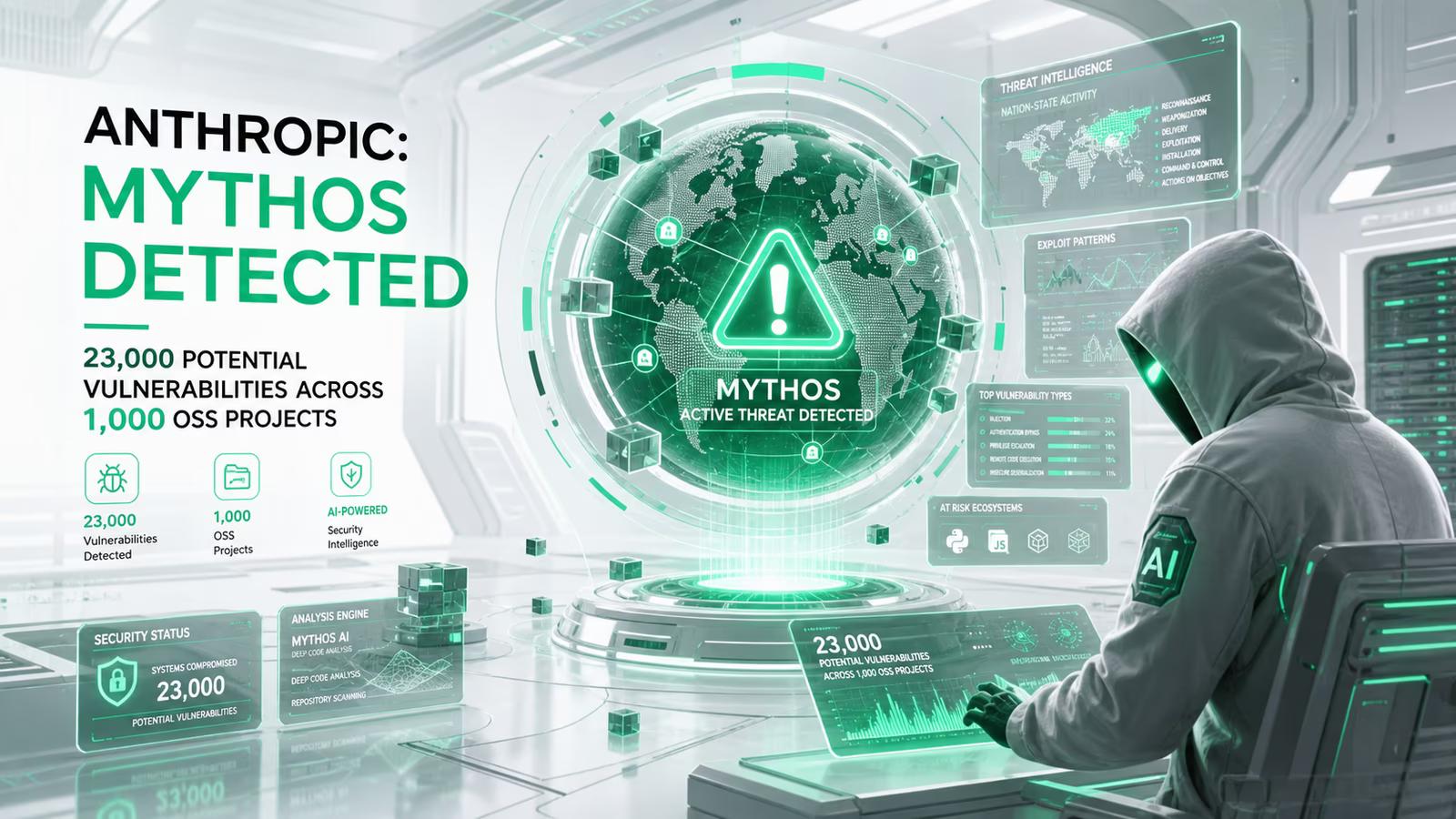
Anthropic's Mythos: 23K vulns found in 1,000 OSS projects
Anthropic's Mythos AI agent detected 23,000 potential vulnerabilities across 1,000 open source projects, many already confirmed critical.
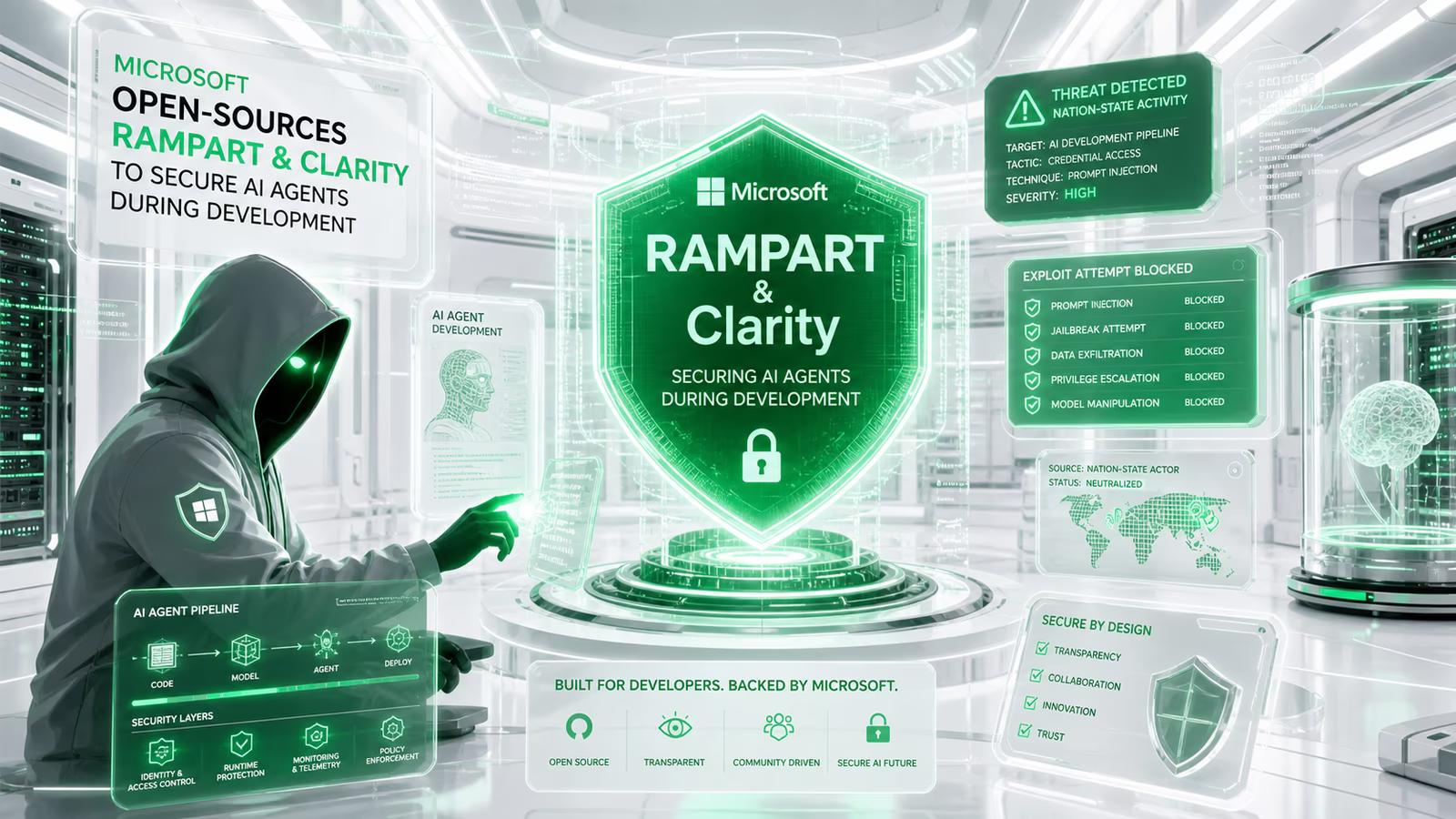
RAMPART & Clarity: security testing for AI agents
Microsoft open-sources RAMPART and Clarity, two frameworks for security-testing AI agents at development time.
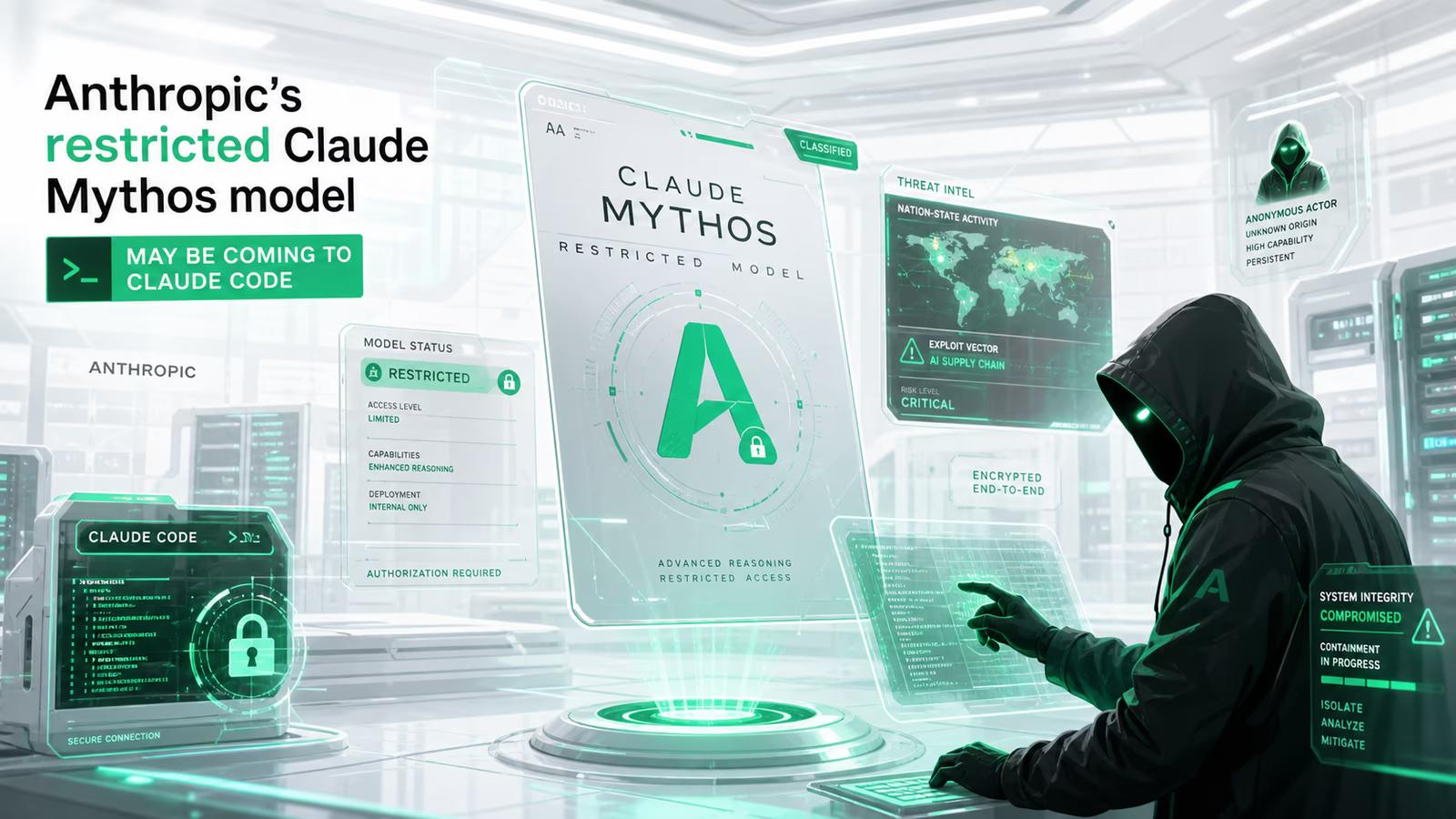
Anthropic's restricted Mythos model may ship inside Claude Code
Anthropic is preparing to roll out Mythos to Claude Code, a restricted model flagged for major security risks to public and private software.
IA — frequently asked questions
What is prompt injection?
Prompt injection is a technique that manipulates an LLM's input (ChatGPT, Claude, Gemini) to override its original instructions and make it act outside its intended behaviour. It can come directly from the user or from external sources (indirect prompt injection). It's the #1 category in the OWASP LLM Top 10.
How does an AI agent differ from a chatbot?
An AI agent has tools and permissions to act: read files, send emails, execute code, call APIs. That autonomy amplifies the blast radius of any prompt injection — a chatbot returns text, an agent can delete your repo. That's why agents need specific guardrails.
What does the OWASP LLM Top 10 cover?
It covers the 10 most critical risks in LLM-integrated apps: LLM01 Prompt Injection, LLM02 Insecure Output Handling, LLM03 Training Data Poisoning, LLM04 Model Denial of Service, LLM05 Supply Chain, LLM06 Sensitive Information Disclosure, LLM07 Insecure Plugin Design, LLM08 Excessive Agency, LLM09 Overreliance, LLM10 Model Theft.